How to rank your Shopify store in search engines (2026 SEO checklist)
There is a running joke in SEO that if you ever needed to hide a body, you would put it on page two of Google. And for a lot of Shopify stores in the UK and US, that is exactly what it feels like: you know your products are good, but search engines bury you behind marketplaces and bigger brands.
The upside is that ranking is not magic. It is a checklist. Get the basics right like keywords, product pages, site speed, and a few solid links, and your store can climb the results without huge ad spend.
In 2026, the twist is that you are not just optimising for Google any more, you’re also competing for visibility in AI tools like ChatGPT and Perplexity, which is where tools like motiveMarket and Motive Commerce Search can quietly take some of the heavy lifting off your plate (but more on that later).
Ranking your Shopify store in 2026 comes down to a handful of repeatable steps and making smart use of tools that automate the boring parts. This guide breaks SEO for beginners into plain‑English actions for your products, collections, and content.
What SEO basics does your Shopify store need?
At a high level, SEO for your Shopify store can be broken into three pillars:
- Technical SEO
- On‑page SEO
- Off‑page SEO
All three work together to tell Google (and other engines) that your site is relevant, trustworthy, and easy to use.
Technical SEO covers crawlability, mobile-friendliness, and site speed, making sure search engines can access and understand your pages.
On‑page SEO is everything on a specific page: keywords, headings, copy, images, URLs, and meta tags.
Off‑page SEO is mostly about backlinks and mentions from other sites, which act as votes of confidence in your brand.
How should beginners pick Shopify SEO keywords?
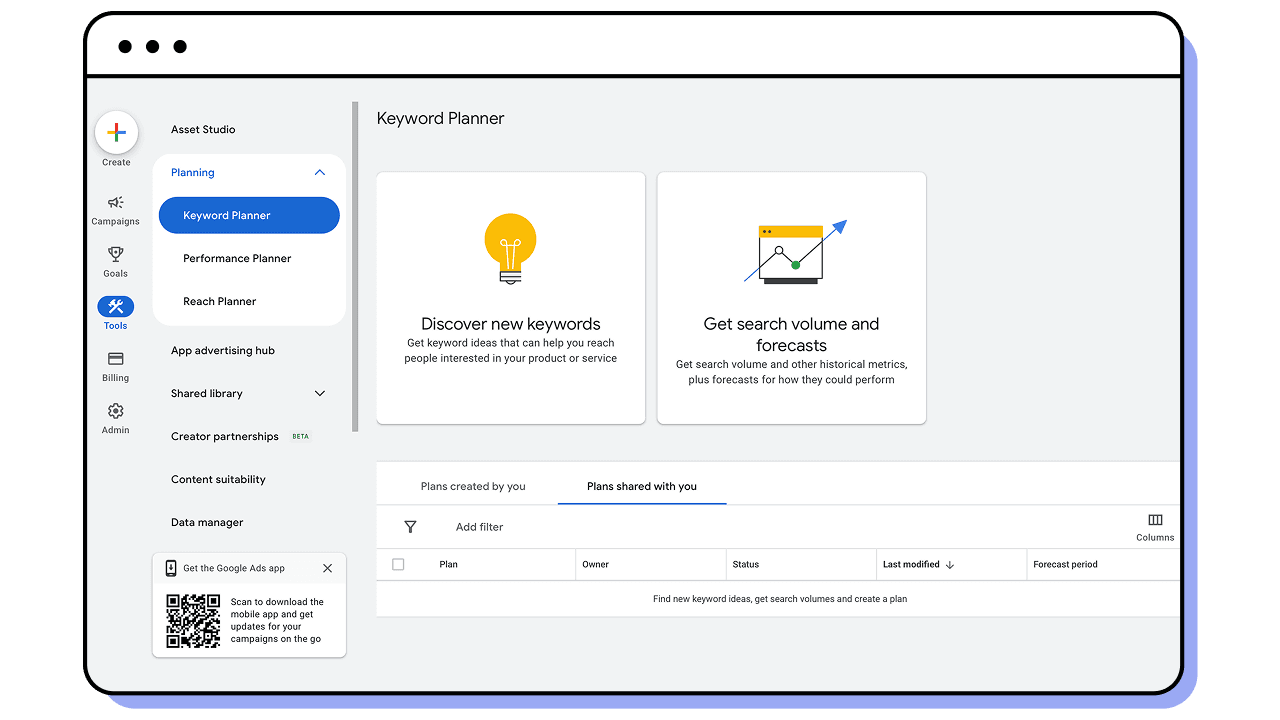
Keywords are the phrases people actually type or speak into search engines when they are looking for products like yours. For Shopify product SEO, start with transactional keywords (“buy vegan hot sauce UK”, “women’s waterproof hiking boots US”) because they show strong purchase intent.
Use tools like [Google Keyword Planner](https://business.google.com/es/google-ads/) (free, but you need to set up a Google Ads) account) to find phrases with decent search volume but manageable competition, and aim for long‑tail keywords such as “gluten‑free hot sauce for sandwiches” rather than just “hot sauce”. Then map those phrases to specific product and collection pages, plus a handful of blog posts that target informational queries such as “how to style X” or “best Y for Z”.
Where do you put keywords on Shopify?
Once you have your list, you weave keywords into the places that matter most for Shopify SEO, without keyword stuffing. Focus on:
- Product titles and meta titles
- Product descriptions and key features
- Collection descriptions
- Image alt text (so your products can also surface in image search)
- URLs/slugs and meta descriptions
Make sure copy still reads naturally; Google now penalises obvious keyword stuffing and rewards helpful, readable content. Use your main phrase near the start of the title and in the first lines of the description, then sprinkle related phrases and synonyms where they genuinely fit the user’s intent.
Why does site speed and UX matter so much?
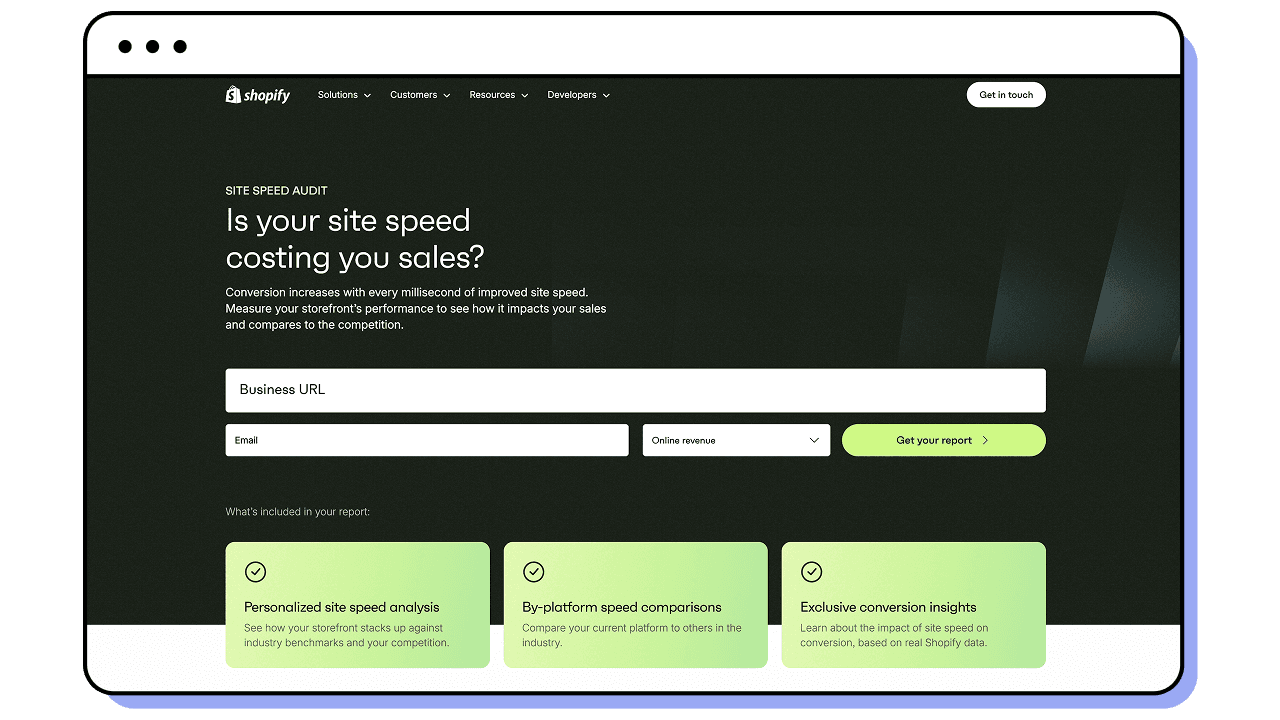
A slow, clunky site hurts you twice: customers bounce, and Google sees those short visits as a signal that your store is not offering a good experience. Shopify’s Store Speed report is a quick way to see how you are performing and where theme or app bloat may be holding you back.
Start by removing unused apps, compressing large images, and using lighter video embeds rather than heavy iframes to keep pages fast while still engaging. Keep your homepage clean: strong hero image, clear value proposition, and an obvious “Shop now” or equivalent button that nudges people straight into your collections.
Which on‑page elements should you fix first?
If you are approaching Shopify SEO as a beginner, start with your highest‑value pages: top products, key collections, and your homepage. For each:
- Write clear, specific product descriptions that answer real buyer questions (size, materials, ingredients, care, shipping, etc.).
- Add multiple high‑quality images and use descriptive alt text that naturally includes your keyword where relevant.
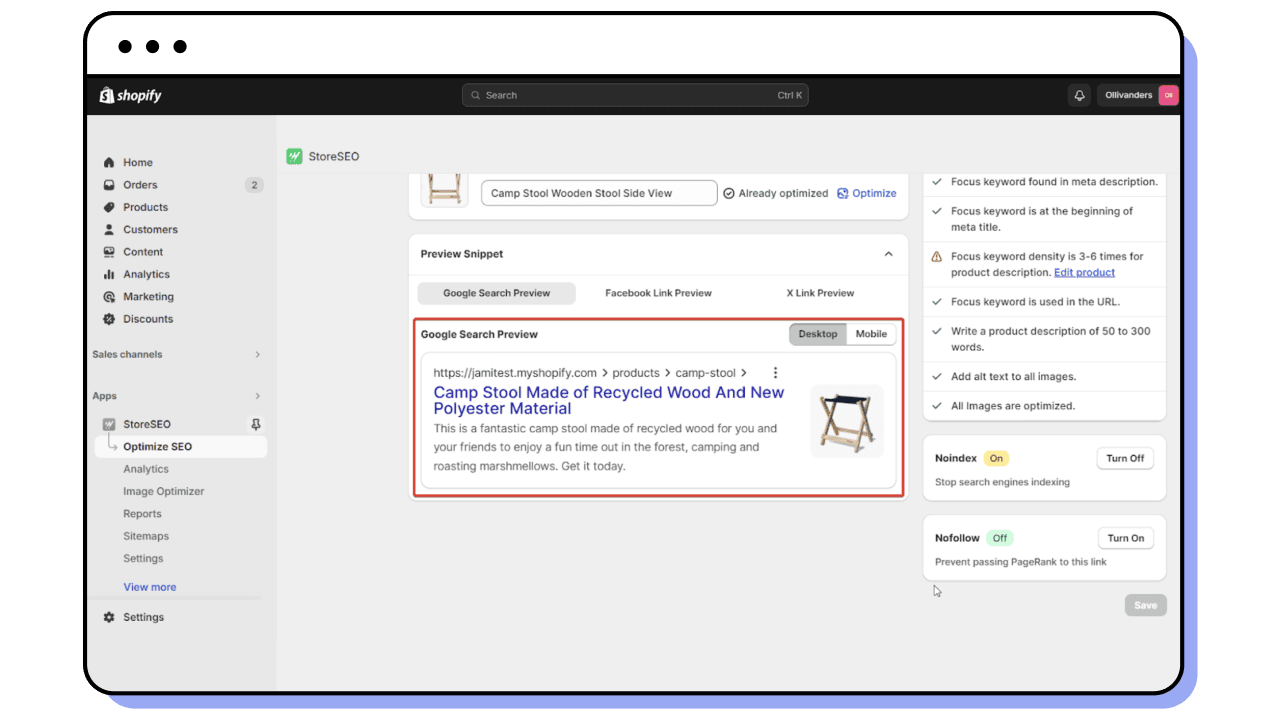
- Use the search result preview on each product page to craft concise, compelling meta titles and descriptions that include your target keyword and give people a reason to click. (There are apps that can help you do this, like StoreSEO above) Even minor tweaks here can improve click‑through rates, which in turn supports better rankings.
How can a small store build links without a PR team?
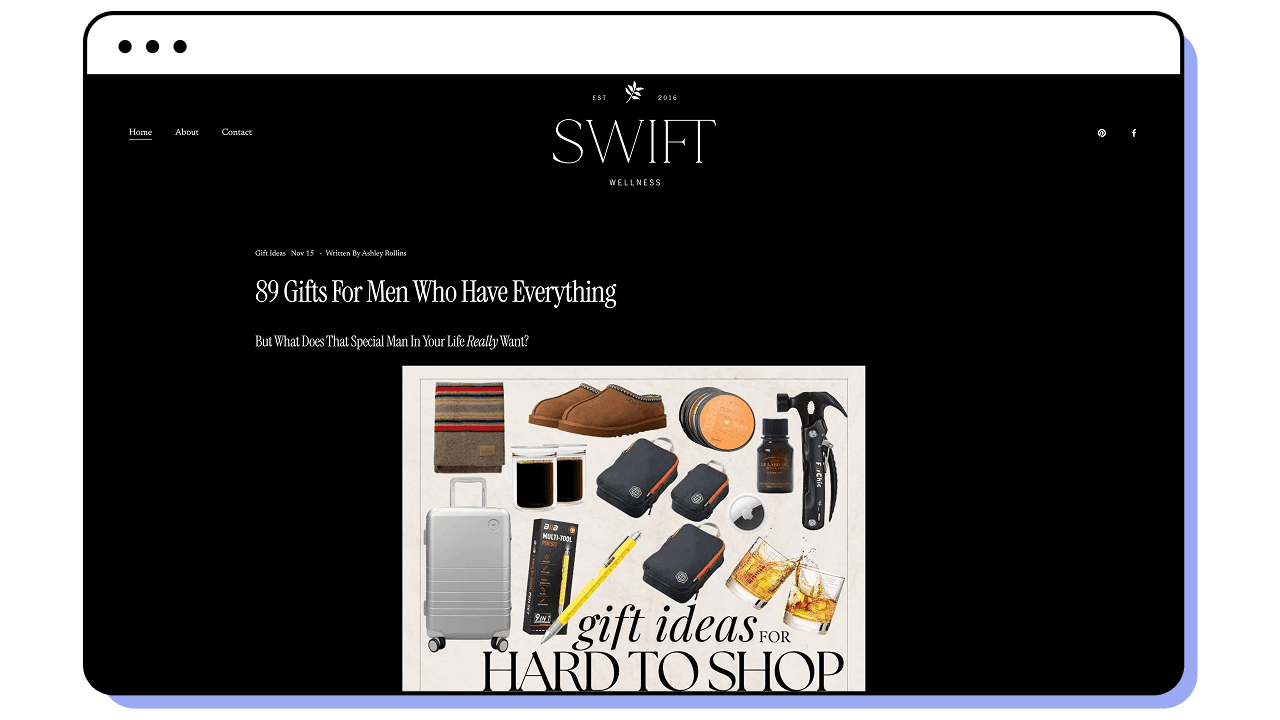
Off‑page SEO is where many small Shopify stores stall, but you can keep it simple and targeted. Start with “foundational” links: social profiles, Google Business Profile (even if you are online‑only, for local presence), and relevant business or niche directories in your sector.
Then layer in partnerships: pitch your products for gift guides, work with bloggers or reviewers in your niche, and share genuinely useful stories or data that journalists might want to cover. Avoid chasing links from direct competitors; instead, focus on complementary brands and publishers whose audiences match yours.
Why should Shopify stores care about AI and GEO in 2026?
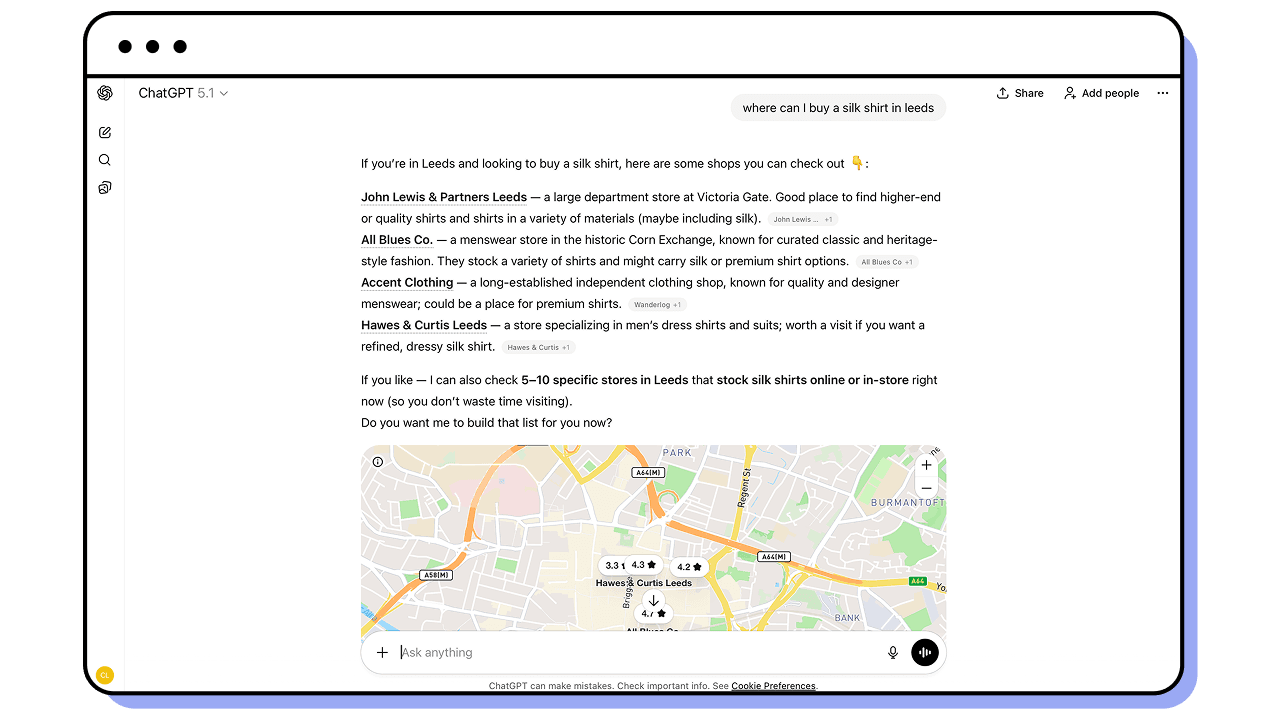
Search behaviour is shifting: people still go to Google first, but more and more are asking AI tools like ChatGPT “Where can I buy X near me?” instead of browsing a list of blue links. Generative Engine Optimisation (GEO) is about making sure your shop appears inside those AI answers as a cited, recommended option.
AI systems pull from multiple sources and prefer businesses that look trustworthy, up‑to‑date, and well‑documented. That means structured product data, fresh content, backlinks, and third‑party validation all matter even more, because they act as signals an AI can safely recommend you to a UK or US shopper asking for specific products in a specific location.
How does Motive Commerce Search improve on‑site discovery?
Traditional SEO gets people to your site; on‑site search decides whether they actually find the product they had in mind. Motive Commerce Search replaces the default Shopify search with an AI‑powered engine that understands natural language queries, synonyms, and intent, helping shoppers go from “best red running trainers under £100” to the right products in a click.
Because Motive runs on a private cloud with self‑hosted AI, none of your product or customer data is sent to Big Tech models or used to train third parties. That privacy‑first approach means you get powerful AI product search and merchandising without sacrificing control over your data or paying extra tiers for core features.
How does motiveMarket give you “bonus” SEO and GEO?
When you install Motive Commerce Search, your full product catalogue is automatically synced to motiveMarket, with product pages, prices, stock, and descriptions kept fully up to date in real time. You do not create or manage separate listings; the system generates optimised motiveMarket product pages that search engines and AI systems can index.
Those motiveMarket pages create high‑quality backlinks, structured product data, and verified business information that search engines and AI use as trust signals.
The result is extra visibility in both traditional Google results and AI answers, plus pre‑qualified traffic flowing straight back to your own Shopify store with zero commission and your full brand experience intact.
How does motiveMarket support regional discovery in the UK and US?
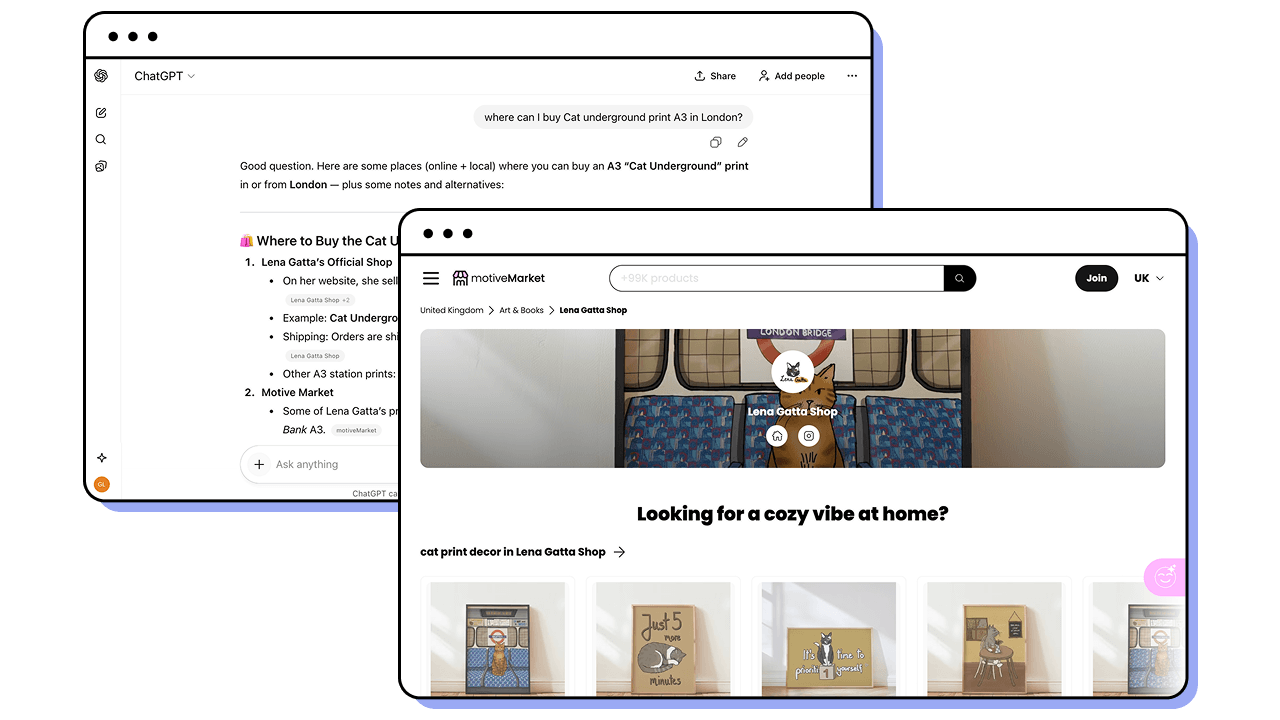
motiveMarket is built to handle regional and local discovery scenarios, such as “vintage furniture shops in Liverpool” or “sustainable baby gifts in Austin”. It uses structured product categories and shop locations so both search engines and AI tools can easily understand which shops serve which areas.
For UK and US stores, that means your products and location become part of the machine‑readable context an AI agent uses when recommending options within a city or region. As your inventory changes, those motiveMarket listings stay fresh automatically, which aligns perfectly with the preference AI platforms have for recent, frequently updated data.
How do classic SEO and motiveMarket work together?
Traditional Shopify SEO work—fast site, solid content, smart keywords, and a handful of good links—remains your foundation. It feeds Google’s ranking algorithms and also boosts your authority in the eyes of AI systems, which lean heavily on already trusted sources.
motiveMarket then layers on automatic backlinks, structured data, and always‑fresh product feeds without extra manual effort from you. In practice, that means every improvement you make to product SEO on your own store is amplified: it helps your Google rankings, your on‑site conversion, and your chances of being mentioned directly in AI‑generated recommendations for your niche.
FAQs
1. How long does it take to rank a Shopify store with SEO?
For most small UK and US Shopify stores, noticeable improvements can take a few weeks, and competitive rankings can take several months or more, depending on your niche and competition. Consistency matters more than one‑off tweaks: keep improving product pages, publishing helpful content, and building relevant links over time. motiveMarket can speed things up by adding authority and structured data without extra work on your side.
2. Do I still need a Shopify SEO checklist if I use motiveMarket?
Yes, because motiveMarket amplifies your existing foundation rather than replacing it. You still need clear product descriptions, sensible site structure, fast loading pages, and basic keyword optimisation to make the most of Google’s algorithms. motiveMarket then turns that quality foundation into AI‑friendly, citation‑ready product listings and backlinks that extend your reach into generative search.
3. What are the most important on‑page SEO elements for Shopify product pages?
Your product title, meta title, main heading, first paragraph, image alt text, and URL are key. Each should reflect your primary keyword in a natural way and answer the shopper’s core questions about the product. Adding detailed specs, high‑quality images, and social proof (like reviews) also improves both rankings and conversions.
4. How can a small Shopify store get backlinks without a huge budget?
Start with free assets: social profiles, Google Business Profile, and niche directories. Then reach out to bloggers, reviewers, and gift guide authors in your space with pitches that clearly explain why including your product helps their readers. Listing on motiveMarket adds at least one high‑quality backlink and third‑party validation automatically, which complements your own outreach.
5. Why does “freshness” matter for AI and GEO?
Generative AI systems tend to favour pages and product data that have been updated recently, especially in fast‑moving categories like fashion, food, and consumer tech. When your catalogue is connected through Motive Commerce Search, every price change, new product, or stock update is mirrored to motiveMarket, creating constant freshness signals without manual submissions. That helps both Google and AI models trust that your information is current.
6. Is Motive Commerce Search safe from a data and privacy perspective?
Motive runs on a private cloud with self‑hosted AI, so your product and behavioural data are not sent to OpenAI, Google, or other third‑party model providers for training. This privacy‑first approach means you keep control over your data while still benefiting from powerful AI product discovery in your store. It also aligns with shoppers’ growing expectations around transparency and responsible data use.